Hi,
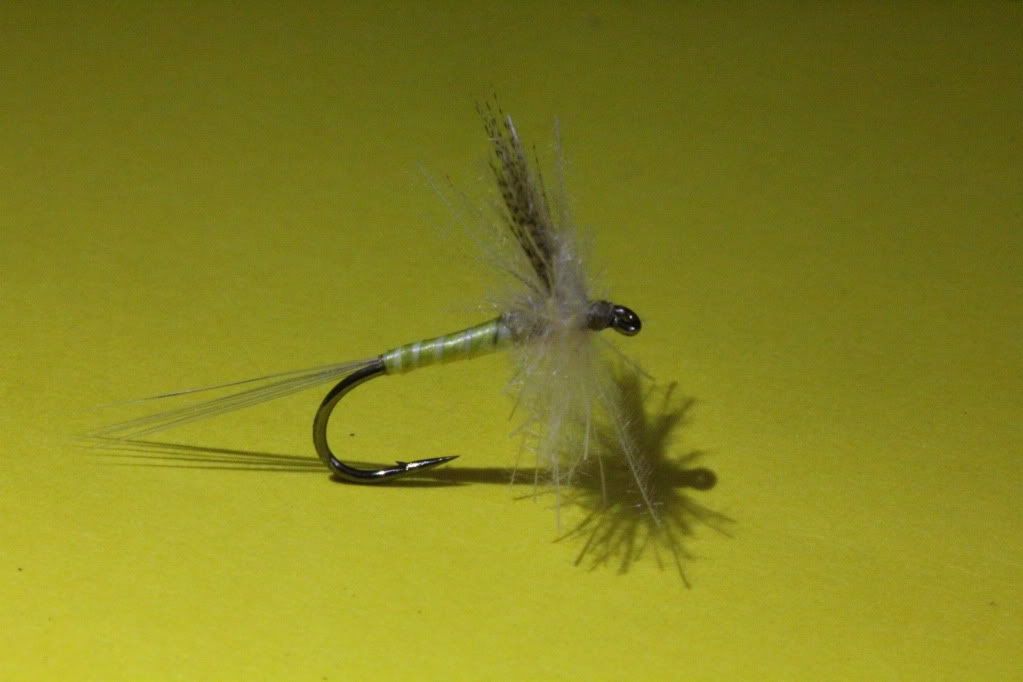
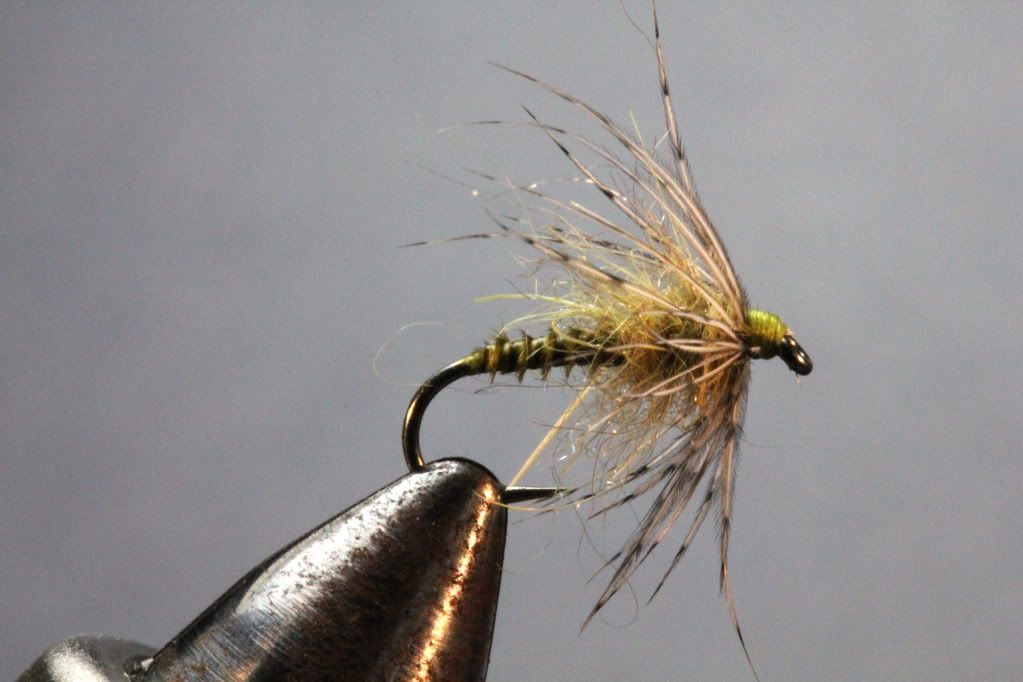
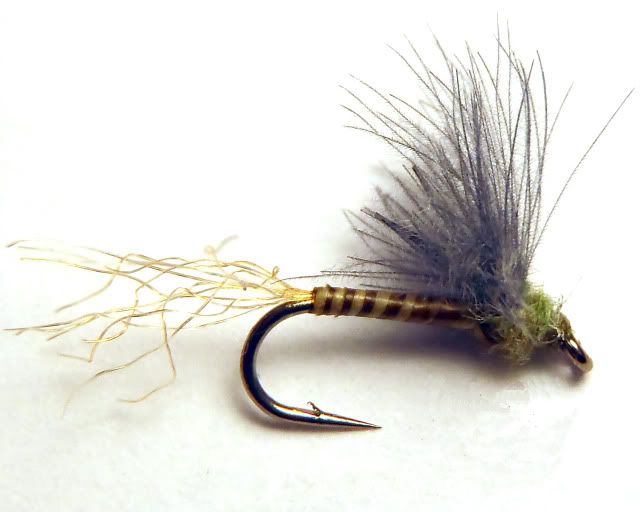
This is a poll. I believe most tiers do not use the dull side (smooth) of the quill as the outside facing body on duns/spinners. Rather, they tie with the smooth side to the hook shank which produces the dramatically raised material on the edge of the quill.
I happen to prefer the smoother showing surface on all but emergers and nymphs. My personal observations of adult mayflies suggests a smooth abdomen.
When I ask the question, many say “it doesn’t matter”. But, one has to make a conscious decision one way or the other when tying the quill feather in, so what controls this decision?
These aren’t great examples, but do demonstrate the difference. So, which way do you consciously decide to tie the quill feather in for the abdomen.
While I believe you are correct that a dun’s body is smooth, it is also segmented. Tying the smooth side to the hook, portrays this segmentation better in my opinion.
But y’know what? It probably doesn’t matter and tying with the ribbed side out just looks better to me.
I would have more confidence in the soft hackle over the dry as far as catching fish, I enjoy fishing the dry more. But the opinions that really matter are Mr. Brown and Mr. Bow and they are fickled and change their mind frequently. As usually both beautifully tied.
I generally use Byron’s thought process on my biot bodies. I like the smooth for any fly that will remotely resemble the dun or spinner profile, even later stage emergers. Most of the Mayfly hatches I fish regularly are those with pretty slender and sleek bodies. If a fish is looking for a dun profile, the ridges being out can add some bulk to the profile that I do think will turn off a selective fish. In general though I don’t think it always matters. I have tied this first fly with the ridge up and used it without noticing much of a difference in it’s ability to catch fish. But you never know when you will run up against that big selective bank feeder.