First a short story. A year ago, I had walked the mile to the middle of Harriman’s Ranch on the Henry’s Fork. There was not a fish rising anywhere in sight. I tried emergers, etc. Nothing.
Then, I looked through my boxes and selected a really nice (I thought) Adams in a size 14. I decided I would fish that dry fly whether the trout approved or not. To my surprise, a nice, fat rainbow took that fly and made my day.
So, I believe in matching the hatch; fishing soft hackles; and fishing nymphs; etc… But, I’m beginning to believe that there may be some dry fly styles that just might work in nearly any situation.
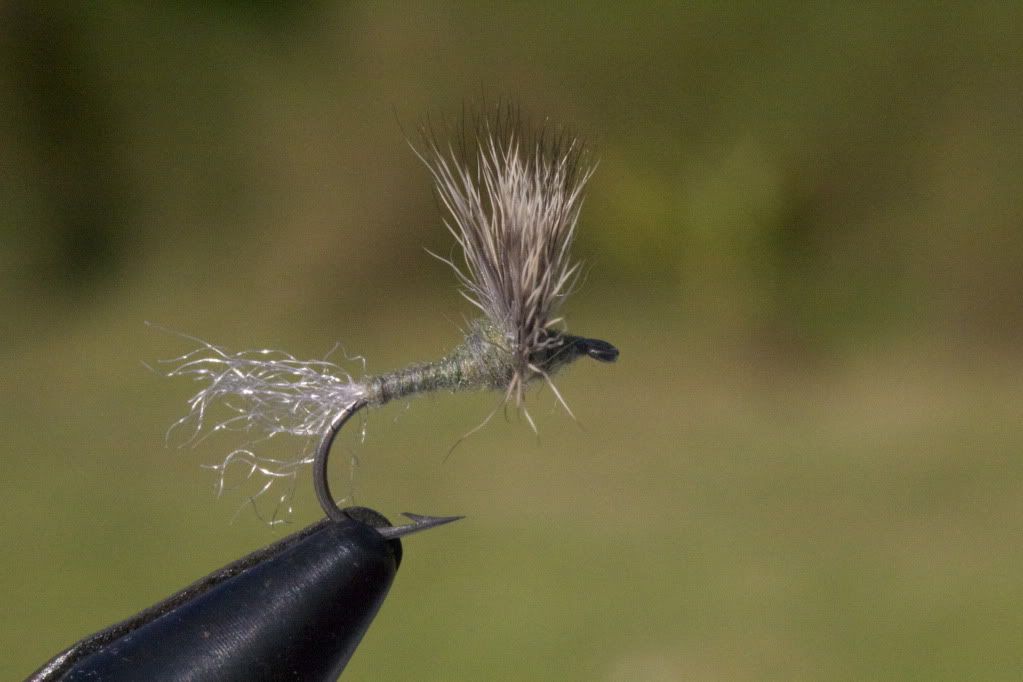
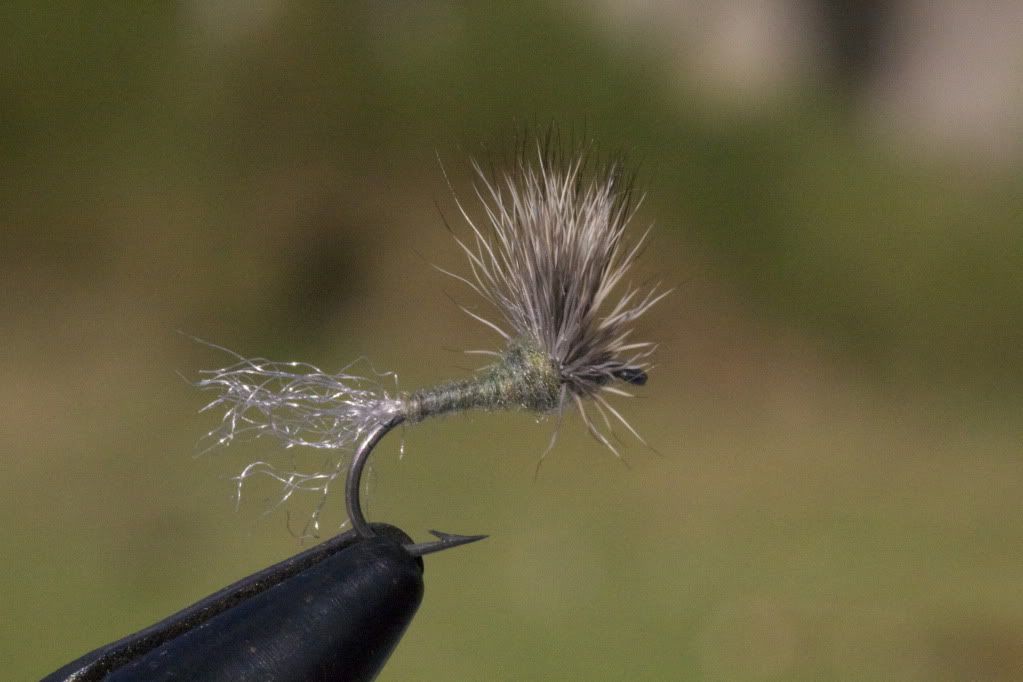
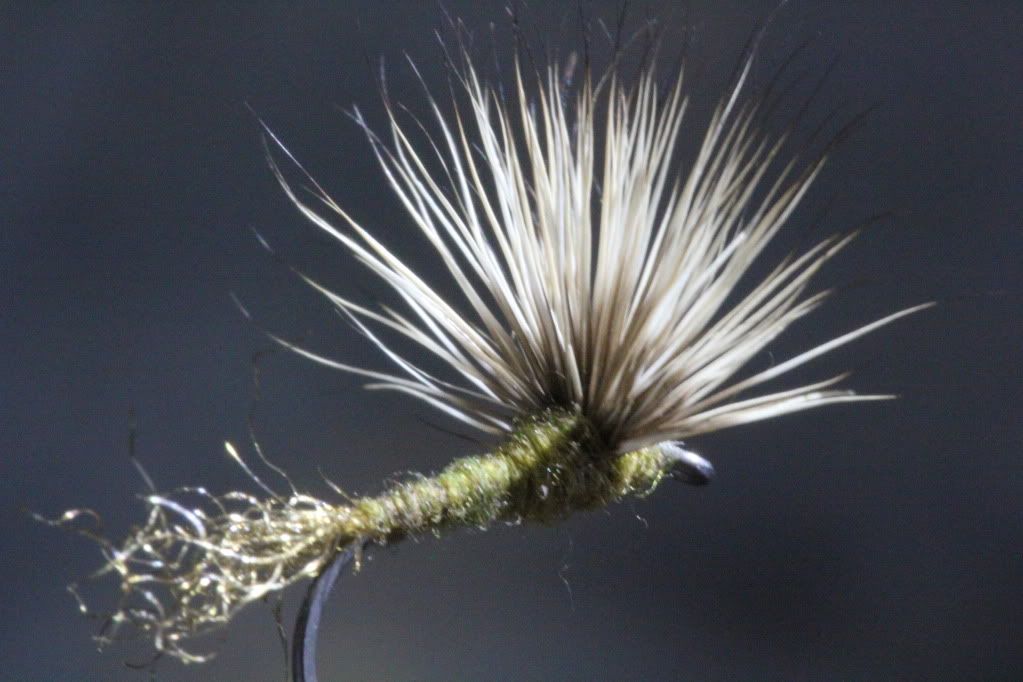
I believe the Comparadun is one of those patterns/styles of flies - especially if tied in a rather “common insect coloration”.
Anyway, I want to go try this fly out even if there are no hatches.
I was introduced to the Sparkle Dun tied with a yellow/olive body on a size 14 or 14 for the same purpose. The big difference came from finishing the fly with a small spot from a red marker pen on the tail. That little addition makes an incredible difference. When I first tied them I didn’t have a red marker pen to hand so I put a couple of red strands into the tail. That worked just as well.
Elk hair caddis. hard to beat, by the time this thread is up, we will all be able to stock a dry fly box with the best of the best. Oh and a black ant size 14
Without going to some reference books, wasn’t it a tyer by the name of Sid Neff(?) who came up with a fly he called the , ‘Near Nuff’? I think it too was supposed to be a universal fly pattern.
Now if we could only get a truly universal fly (as in water borne and hatching insect) we’d only need one pattern! Wouldn’t that be truly boring?
Last year I started to use sparkle dun in various colors and I had a great year. This year I started to use cdc and deer with as much success as the sparkle dun. So for me I would have to have two styles. These two have caught me the the most fish and the largest fish this year than any others in the previous years.
Byron, you are confusing me with someone who knows what they are doing. Black ants fished wet are one of the best patterns I have found in the summer months, probably a soft hackle year around, a peacock body with a wire ribs and a clear or silver bead if I could only have one.
Since the discussion is about dries…here is one that comes out of BRF that has worked for me for quite a while:
ROYAL WULFF CRIPPLE
I first saw this pattern in the bins at BRF in West Yellowstone, years ago… it was designed by Rowan Nyman. I purchased a few in #14 -# 16, then took it apart. When I went back to the shop,a week later, the bins were empty.This fly KICKS BUTT…Everywhere…
[i][b]RECIPE: (From FLYFISHING & TYING JOURNAL, Fall 2011)
[/b][/i]
HOOK: Standard Dry #10-#18 THREAD: 6/0-8/0, Black TAIL: Brown Zelon BODY: Peacock Herl and FL. red Antron yarn or floss WING: White poly yarn HACKLE: Coachman Brown, trimmed underneath
We all have our favorites when “prospecting”. Sometimes it is a fly we have overall confidence in, and sometimes it is the most productive on a given water. I have two like that. A #14 Light Elk-Hair Caddis tied with ginger body and brown hackle. And a #14 May Haystack. Usually one of those two patterns will pound up fish for me regardless of the water.