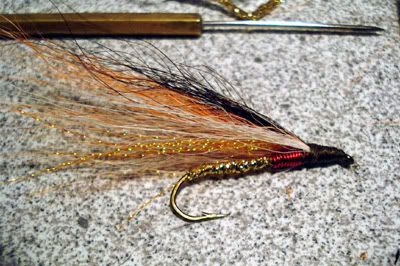
Dryfly-
A good assortment for this time of year down your way might be something like:
Dry Flies (these would imitate the small mayflies, caddis and midges that should be starting to hatch around now):
Parachute Blue Winged Olive and or Parachute Adams 16-20 for the small dark mayflies that might be hatching now.
Black Elk Hair caddis size 18 for the small caddis and dark brown/black winter stoneflies that should be starting to pop
Griffiths Gnat size 20 for midges, they usually hatch all winter long. This is a good pattern when there’s really tiny stuff hatching. It looks like a midge convention so it’s a tasty meal, and is easier to see and fish then real tiny imitations in smaller sizes.
Wets:
Partridge and Orange Soft Hackle size 16 (good as a searching fly if nothing is going on, and they?re hard to fish wrong, just cast up and across stream and let it swing below you. You can also add split shot to fish a bit deeper, hang off a dry as a dropper or whatever.)
Nymphs (you can fish these by themselves or hang off a dry fly by attaching a short 12 inch length of tippet to the bend of the dry. You may get some hits on the dry, but more often it serves as an indicator (think ?bobber?) to watch if anything whacks the nymph. Use a 16 dry and a smaller size nymph):
Pheasant Tail Nymph 16 and/or 18
Copper John 16 and/or Bead Head Hares Ear Nymph 14 or 16
Zebra Midge 18 if you?re fishing in slower water or below a dam with slow water (imitates midges)
Other stuff:
Bead Head or weighted Black Woolly Bugger size 8 or 10 for fishing deeper pools
Y2K or other egg type fly, maybe in an apricoty peachy color to fish along the bottom with small split shot.
San Juan Worm- could be very good fished along the bottom
And, maybe something bushier and bigger with lots of hackle that?s easy to see as a fast water dry if you?re fishing a fast water mountain streams something like a Royal or Tennessee Wulff, Humpie, Tan Elk Hair Caddis etc in 14 or 16. You could also use these as the indicator in slower water with a nymph dropper.
There will be other stuff to add as things warm up, but these would be good choices for now, and are pretty good go-to flies all year long.
Good luck.
peregrines