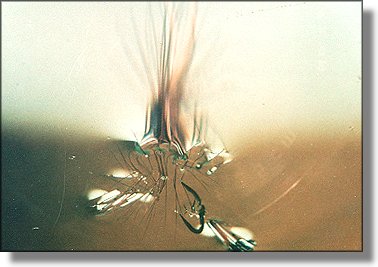
Only if the insect or fly is sitting completely on top of the water, which only happens for a fully emerged adult. Since many of our flies imitate insects emerging with a lot of the pattern under the surface, fish see the underwater parts from a long way off with no interference from the water/air surface mirror. Notice how clear the hook is in the image below.
Back to your original question, good point - view from below is much better! To go one step further, we should look at how the fly looks floating in the water, so drop the fly in a clear glass and look at in from all sides.
I think you’ll find that many flies show quite a bit under the surface. Unless you gink up the shuck, the X-Caddis is going to float with the abdomen and shuck beneath the surface. From that view it closely resembles a sparkle dun as others have said. Both resemble an emerging mayfly, since many mayfly nymphs float slanted close to horizontal just below the surface while the adult emerges. The wing may resemble the adult climbing out but looks pretty fuzzy from below the surface.
I’m amazed at how much a floating flies image changes from just ahead to directly below. Just float a few patterns in a glass. It’s quite striking.
From this:
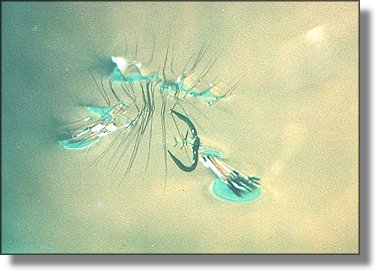
To this:
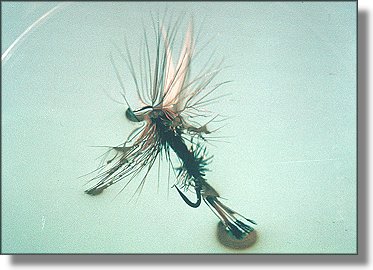
These images from J Castwell’s wonderful series, “Flies Only” which is found in the Features section of this website.
Doesn’t this explain many last second refusals?